7 Essential Facts for UK Homes! Can You Drink Softened Water?
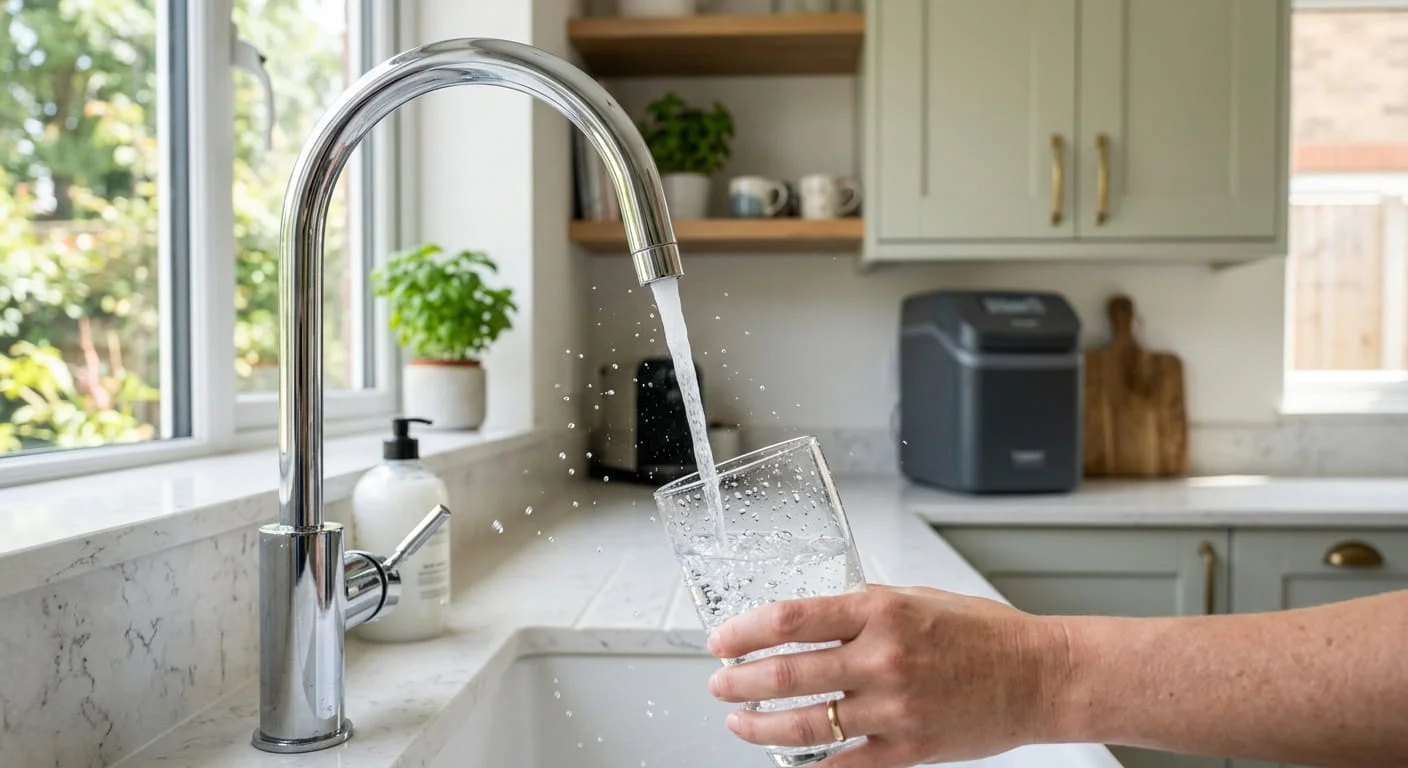
You’ve just had a water softener fitted, and the limescale is finally losing the fight. Then a nagging question hits you at the kitchen sink: is this water actually safe to drink?
It’s a fair question, especially in the hard-water regions of the UK. Softeners tackle limescale, protect appliances and make cleaning easier. But the softening process changes what’s in your water, and that matters for what you drink.
The short answer: it depends on your system and your plumbing. For a traditional salt-based softener, UK guidance is to keep one unsoftened cold tap for drinking and cooking.
Quick Answer: Softened water from a standard salt-based system isn’t poisonous, but it contains added sodium. The Drinking Water Inspectorate (DWI) advises keeping an unsoftened supply for drinking and cooking. The NHS says never to use artificially softened water for baby formula.
Key Takeaways
- Keep one unsoftened tap. For salt-based softeners in the UK, use unsoftened water for drinking and cooking.
- Ion exchange swaps minerals. Calcium and magnesium come out, sodium goes in.
- Sodium varies. The amount added depends largely on how hard your water was to begin with.
- Babies need unsoftened water. The NHS advises against artificially softened water for formula.
- Softeners aren’t purifiers. They target hardness, not bacteria, viruses or pesticides.
- Check your plumbing. Never assume which taps are softened. Confirm with your installer.
1. Can You Drink Softened Water?
Whether softened water suits drinking depends on the type of softener and what’s in your incoming supply.
Standard salt-based softeners are built to remove hardness minerals. They are not complete drinking-water treatment systems.
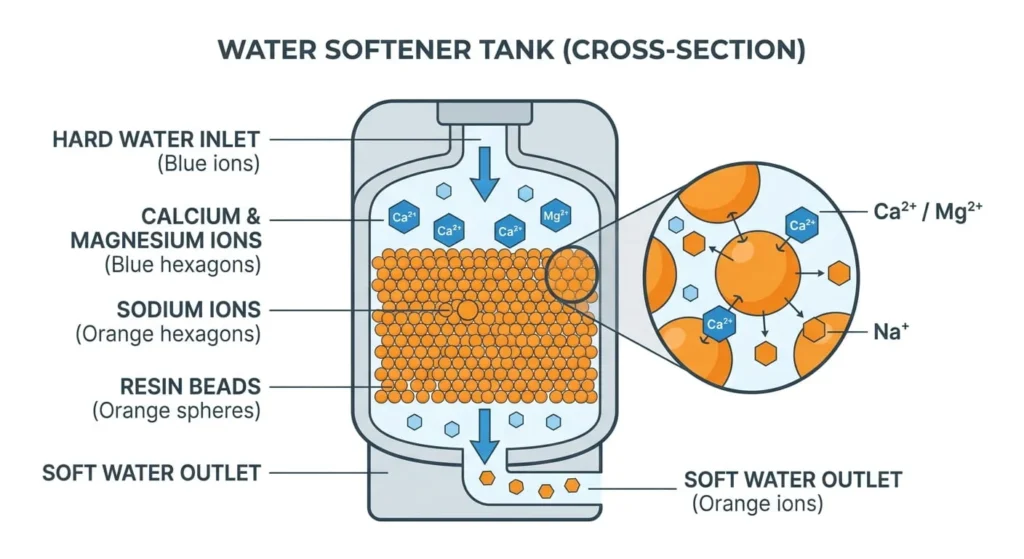
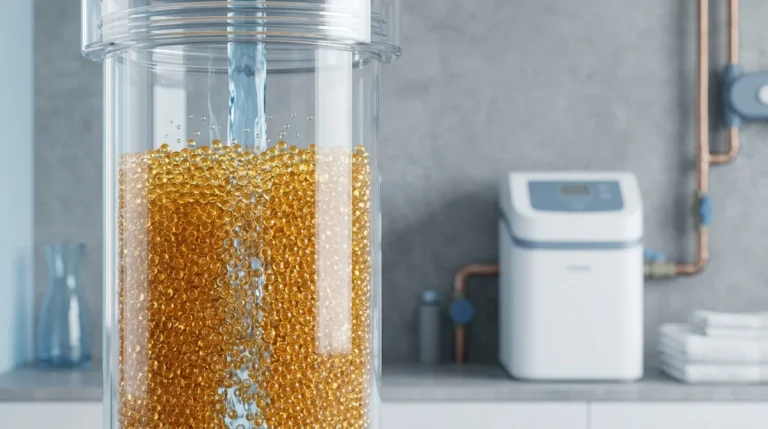
They work by ion exchange. Water passes through a tank of resin beads that capture calcium and magnesium, the minerals behind limescale. The beads release sodium in return. The water ends up with fewer hardness minerals but more sodium.
Because the amount of sodium depends on your incoming water hardness and how your system runs, you can’t assume every glass of softened water is the same.
What does the UK recommend?
The Drinking Water Inspectorate (DWI) advises keeping a non-softened supply for drinking and cooking when you use a typical household ion-exchange softener.
A well-planned home might look like this:
- Kitchen drinking tap: unsoftened
- Bathroom taps and showers: softened
- Washing machine and dishwasher: softened, to limit scale
- Softener: run and serviced according to the manufacturer’s instructions
Every property is different, so confirm where your treated water goes before assuming any tap is untreated.
Key point: Softeners control limescale. Drinking-water suitability must be judged separately.
2. How Does Softened Water Work?
Understanding hard water
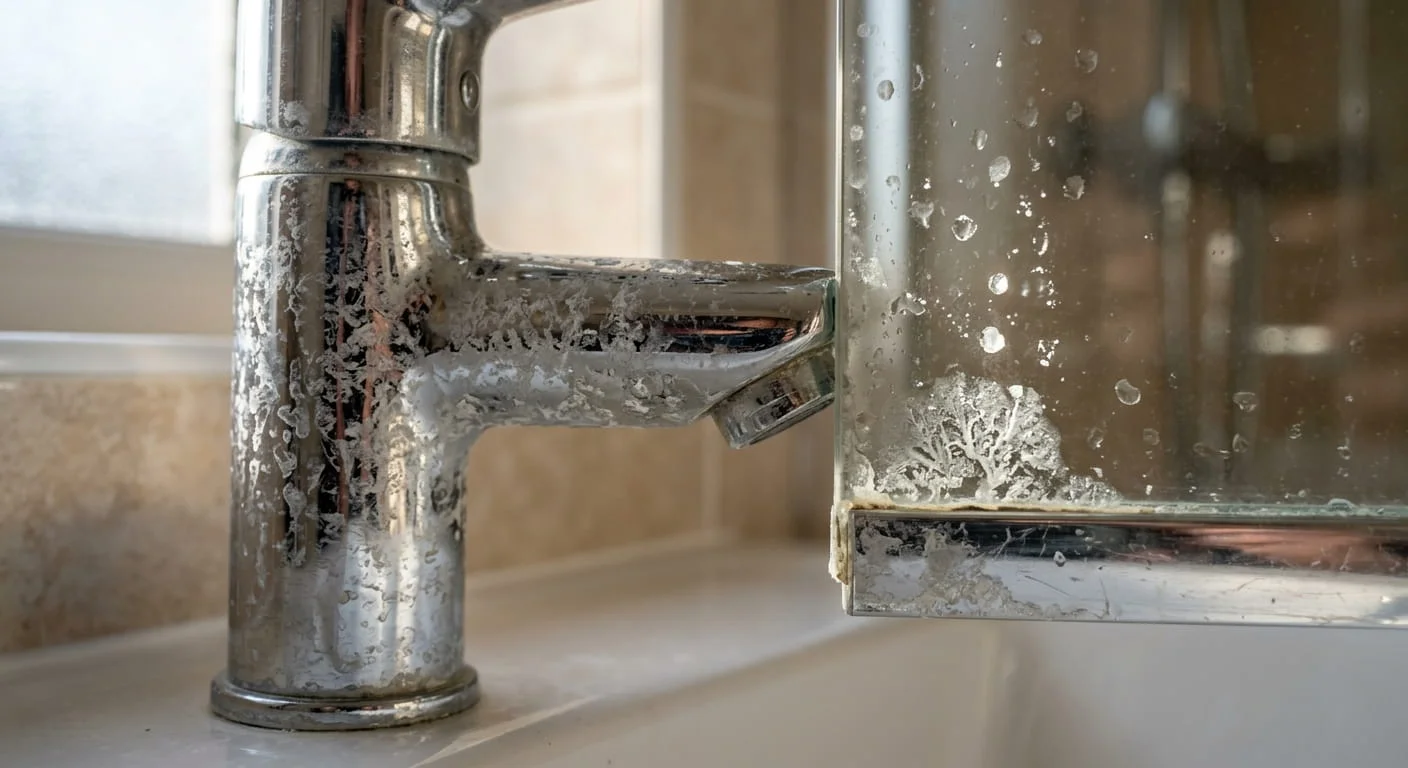
Hard water picks up calcium and magnesium as it travels over rock and through the ground. In many parts of the UK, that causes:
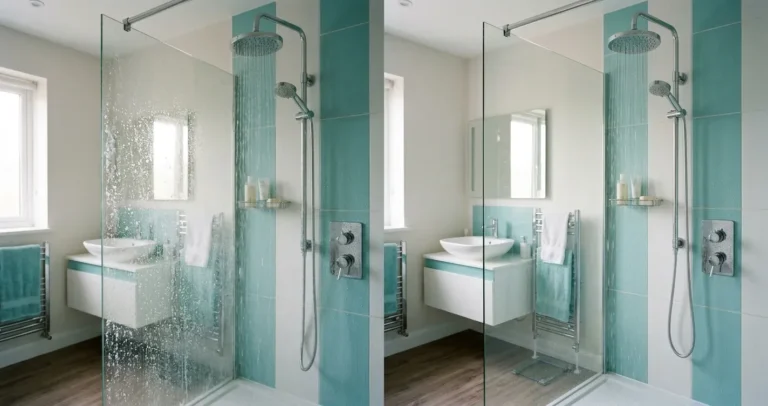
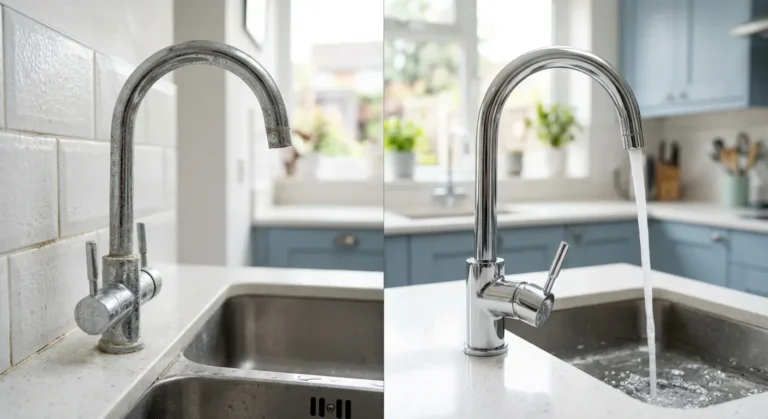
- White limescale on taps and shower screens
- Mineral build-up in kettles and hot-water appliances
- Spotty glassware and fittings
- Soap that lathers poorly
The ion-exchange process in four steps
- Hard water enters the resin tank.
- Calcium and magnesium cling to the resin beads.
- The resin releases sodium into the water in exchange.
- Softened water flows out, far less likely to form limescale.
Over time the resin fills up with hardness minerals. The system then regenerates using a salt-based brine solution, ready to start again.
Does softening remove everything unwanted?
No. Softening is not purification. A softener won’t remove bacteria, viruses or pesticides. If you’re worried about your water quality, speak to your water supplier or a qualified professional. A softener won’t make unsafe water safe.
3. Is Drinking Softened Water in the UK Safe?
UK public water supplies are regulated. But once you fit a domestic softener, the water at your taps is chemically different from what entered your home.
Why the DWI recommends an unsoftened supply
The softening process adds sodium. How much depends on your source water’s hardness, which varies by region. A dedicated unsoftened kitchen tap simply sidesteps the issue.
Does that mean softened water is dangerous?
No. Saying every glass is harmful would be wrong. The outcome depends on your incoming water, your system and how well it’s set up. Added sodium matters most for people on sodium-restricted diets.
What about other softening technologies?
Not all systems use sodium-based ion exchange. Some use potassium, and others use different technology altogether. Each can change water chemistry differently, so check your manufacturer’s documentation and get professional advice.
4. How Does a Water Softener Increase Sodium?
During ion exchange, sodium replaces calcium and magnesium. The harder the incoming water, the more exchange is needed, and the more sodium is released.
Picture two homes. One has moderately hard water; the other has very hard water. The second home will generally see a bigger sodium increase.
You can’t judge sodium by taste or appearance.
Is sodium in water always harmful?
Sodium occurs naturally in food and water. But total intake matters for people who’ve been told to limit it. In England and Wales, the regulatory limit for sodium in drinking water is 200 mg/L. That’s a legal quality standard, not a personal dietary recommendation.
How can you check sodium levels?
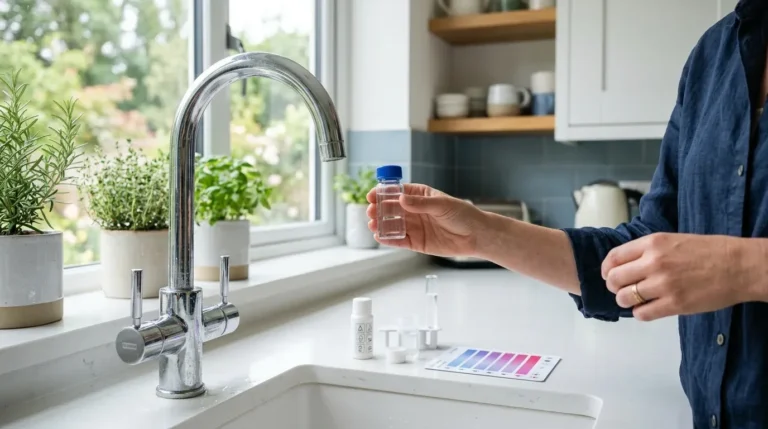
A hardness test measures hardness only, not sodium. For accurate figures, contact your water company or ask a qualified water-treatment specialist to test your treated water.
Told to cut back on salt?
Ask your healthcare professional whether your softened water is suitable. Don’t rely on taste. Softened water can taste perfectly normal while its mineral content has changed.
5. Why Should You Keep an Unsoftened Kitchen Tap?
An unsoftened kitchen tap supplies water that hasn’t passed through the sodium-based softener. It lets you enjoy softened water around the house while keeping drinking and cooking water untreated.
Four reasons to keep one
- It avoids added sodium from the ion-exchange process.
- It covers daily needs: drinking, tea and coffee, cooking and washing food.
- It follows DWI guidance for standard ion-exchange softeners.
- It keeps things simple: everyone in the house knows which tap is for drinking.
How do you know if your kitchen tap is unsoftened?
Check your softener’s installation instructions or ask the installer. In a home that already has a softener, ask a qualified plumber to verify the pipework.
A common assumption is that the kitchen cold tap always bypasses the softener. That’s not guaranteed. It depends entirely on how the pipes are connected. If you’re having a system fitted, agree the location of your drinking-water outlet with the installer before work begins.
6. Can You Use Softened Water to Make Baby Formula?
No. Do not use artificially softened water to prepare infant formula.
The NHS recommends fresh water from the cold tap and specifically advises against artificially softened water. Salt-based softeners can raise sodium levels, and infants have particular nutritional needs.
What parents and carers should do
Follow the NHS guidance on preparing a bottle feed:
- Use fresh water from an unsoftened cold tap.
- Boil the water just before use, then follow the NHS guidance on cooling and making up the formula.
- Use the exact amounts of water and powder given on the packaging.
- Follow the manufacturer’s hygiene, storage and handling instructions.
- Don’t use water that has been boiled before.
Does boiling remove sodium?
No. Boiling doesn’t remove dissolved sodium, and as water evaporates, dissolved substances can become more concentrated. Always start with a suitable unsoftened source.
7. Softened Water vs Filtered Water: What’s the Difference?
Softeners and filters do different jobs.
| Feature | Salt-Based Softener | Water Filter |
| Main purpose | Reduce hardness | Remove certain substances (depends on type) |
| What it does | Swaps calcium and magnesium for sodium | May leave minerals unchanged or reduce them |
| Sodium impact | Can increase sodium | Depends on filter type |
| Limescale control | Helps prevent new scale | Varies by technology |
| Removes all contaminants? | No | No filter removes everything |

Are jug filters a better choice?
Jug filters often use activated carbon to improve taste and odour, and some use other media to target specific contaminants. Performance varies widely. A standard jug filter won’t necessarily lower sodium unless the manufacturer states it does. Choose a product tested for the specific issue you want to solve.
What about reverse osmosis?
Reverse osmosis uses a membrane to remove most dissolved materials. It works differently from ion exchange, and its effectiveness depends on system design, maintenance and incoming water quality. Hard water alone doesn’t mean you need one.
In short: a softener targets hardness and limescale; a filter or membrane targets specific substances.
Benefits of Softened Water Around Your Home
An unsoftened drinking tap doesn’t mean losing the benefits of a softener. A correctly installed, well-maintained system can deliver:
- Less limescale on taps, showers and bathroom fittings. Existing deposits may still need cleaning.
- Reduced scale inside appliances such as kettles and hot-water equipment, though results depend on the appliance and installation.
- Easier washing and cleaning, as soap lathers better.
- Fewer mineral spots on glass, taps and shower enclosures.
Softened water is clearly better than hard water for many household jobs. That doesn’t make it the best choice for drinking or cooking.
Who Should Be Careful About Drinking Softened Water?
People on sodium-restricted diets. If your doctor has told you to cut back on salt, ask whether your softener’s output is suitable. Sodium levels vary between systems.
Babies and infant feeding. Never use artificially softened water for formula. Use a suitable unsoftened source and follow NHS guidance.
Homes with older plumbing. Very soft water can corrode some plumbing materials, potentially releasing metals into the water. If your pipes are old or you suspect lead, contact your water company or an experienced plumber. A softener won’t fix plumbing-related water quality problems.
Anyone with unusual water quality. If your water has an odd colour, smell or taste, call your water supplier to investigate. A softener isn’t a catch-all fix for unknown problems.

How to Get Suitable Drinking Water at Home
- Identify your softener type. Is it sodium-based ion exchange or another technology? Check the manual.
- Find out which taps are softened. Ask your installer or a qualified plumber. Don’t guess.
- Keep one unsoftened drinking outlet. For UK salt-based domestic softeners, this is the standard recommendation.
- Maintain the equipment. Follow the manufacturer’s guidance on salt, regeneration, cleaning and servicing.
- Get advice when sodium matters. Speak to your doctor, water supplier or a qualified water-treatment specialist.
- Choose any extra treatment carefully. If you buy a filter, check what it removes, how it’s tested and when to replace the cartridge.
Common Myths About Drinking Softened Water
Myth 1: Softened water has no minerals. Fact: Salt-based softeners swap minerals; they don’t remove everything dissolved in the water.
Myth 2: All softened water is dangerous. Fact: Water chemistry varies. UK guidance simply recommends keeping an unsoftened supply for drinking and cooking.
Myth 3: Boiling removes sodium. Fact: It doesn’t. Use an unsoftened source instead.
Myth 4: A softener purifies water. Fact: It reduces hardness. It won’t remove all contaminants or make non-drinkable water safe.
Myth 5: The kitchen tap is automatically unsoftened. Fact: Your plumbing layout decides. Confirm with your installer.
Myth 6: Softened water is best for everything. Fact: It’s great for scale control, but UK guidance still favours unsoftened water for drinking and cooking.
Frequently Asked Questions
Can you drink softened water every day?
With a traditional salt-based softener, UK guidance is to use unsoftened water for daily drinking and cooking. Softened water can still be used for other household tasks.
Does softened water contain salt?
Salt-based softeners use salt in their regeneration cycle. During softening, sodium replaces calcium and magnesium in the water, which can raise its sodium content.
Can you use softened water for tea and coffee?
With a sodium-based softener, use the unsoftened kitchen tap for hot drinks, in line with UK guidance on drinking and cooking water.
Can you cook with softened water?
The DWI advises keeping access to unsoftened water for cooking and drinking when you have a standard salt-based softener.
Can you boil softened water to remove sodium?
No. Boiling doesn’t remove dissolved sodium, so it isn’t a way to make softened water suitable for people limiting sodium.
Is softened water safe for children?
Follow UK guidance and use an unsoftened source for drinking and cooking. Never use artificially softened water for baby formula. For specific concerns, speak to a healthcare professional.
Is filtered water the same as softened water?
No. A softener reduces hardness. A filter removes specific contaminants depending on its design. They’re not interchangeable.
Do I need to remove my softener if I’m worried about drinking water?
No. A correctly sized, working softener can still benefit your home, as long as you keep an unsoftened outlet for drinking and cooking. A plumber can check your setup.
How can I tell if my kitchen tap is unsoftened?
Check the installation manual or ask a qualified plumber to verify the pipework. You can’t tell by looking at the water.
Does softened water taste different?
Some people notice a difference. But taste can’t tell you the sodium level or whether the water is suitable to drink.
Does softened water prevent limescale?
Yes. Ion-exchange softeners help prevent new scale from forming. Existing deposits may need removing separately.
Final Verdict: Should You Drink Softened Water?
It depends on your softener and your water. But for most UK homes with a standard salt-based system, the rule is simple:
Keep one unsoftened cold tap, usually in the kitchen, for drinking and cooking.
Ion-exchange softeners remove calcium and magnesium and add sodium. How much depends on how hard your water was to begin with. And a softener is not a multi-purpose water purifier.
You can still enjoy everything softened water does best: less limescale on taps and shower screens, reduced build-up in suitable appliances, and easier cleaning.
Your quick checklist
- Identify which taps dispense softened water
- Keep an unsoftened supply for drinking and cooking
- Never use artificially softened water for infant formula
- Maintain the system as the manufacturer instructs
- Seek professional advice if sodium or water quality is a concern
Know what your equipment does, and you can make a confident, informed choice for your family.
Got a question about softened water or hard water in your area? Leave a comment below and tell us what you’d like covered next.
Affiliate Disclosure: As an Amazon Associate, AquaClariX earns from qualifying purchases. This does not affect our editorial opinions or recommendations.
1:https://www.amazon.co.uk/s?k=water+filter+jug&utm_source
2:https://www.amazon.co.uk/s?k=under+sink+reverse+osmosis+water+filter&utm_source
2 Comments